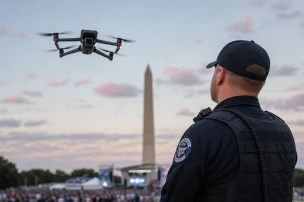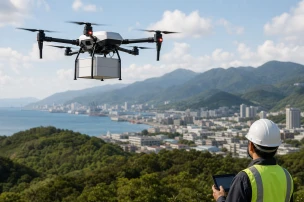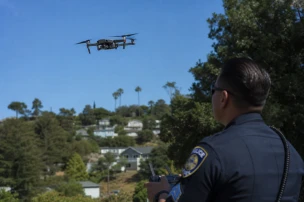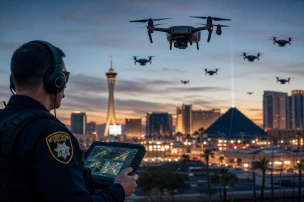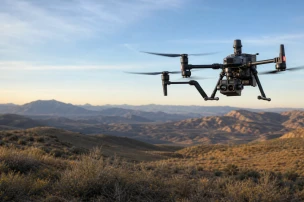

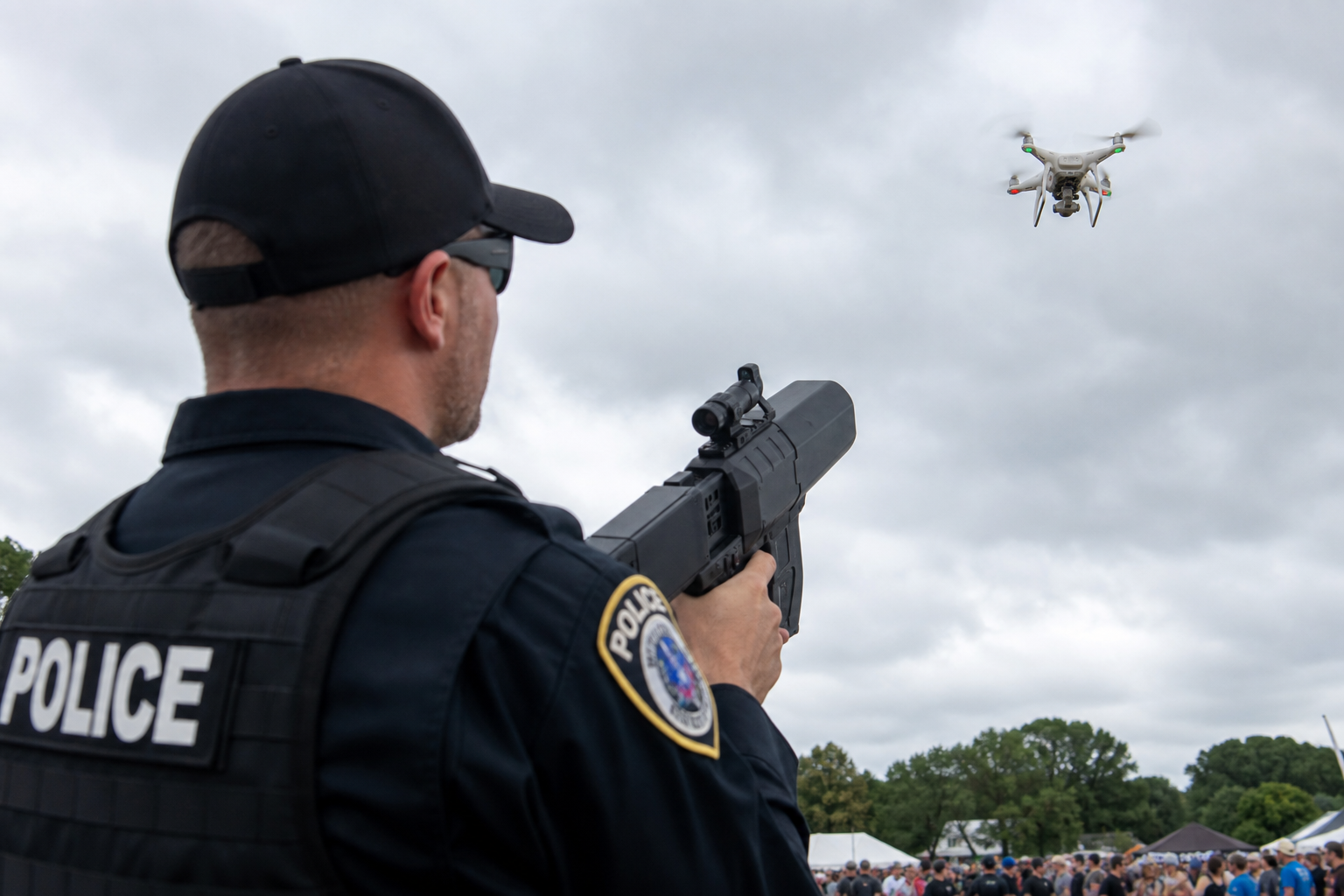
Law enforcement officers now possess expanded powers to neutralize unauthorized drones threatening large public gatherings and major sporting events.
President Trump signed the FY2026 National Defense Authorization Act on December 18, 2025. The bill authorizes $901 billion in military spending and includes key provisions from the SAFER SKIES Act.
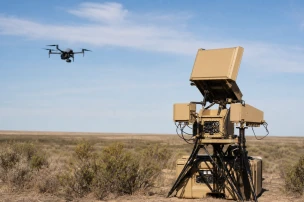
Federal counter-drone authority for the Department of Justice and Department of Homeland Security extends through 2028 under the new law. Trained personnel from state, local, tribal, territorial, and correctional agencies receive permission to detect, track, and disable drones at specified locations.
These locations encompass public gatherings, sports events, critical infrastructure facilities, and prisons. High-profile events scheduled for protection include Super Bowl LX, the 2026 FIFA Men's World Cup, and the 2028 Los Angeles Olympics.
Senator Gary Peters, a U.S. Senator from Michigan, highlighted the measure's value for public safety.
This bipartisan legislation would give law enforcement agencies the authority they need to disable drones that pose an immediate safety threat to help protect the public and property from serious harm.
Senator Ron Johnson from Wisconsin thanked the president for prioritizing the issue.
Thank you to President Trump for insisting on the SAFER Skies Act in the FY26 National Defense Authorization Act.
CBS News reported on the signing and the new drone takedown permissions for public events. Route Fifty provided detailed coverage of how the authority reaches state and local levels. The U.S. Senate Homeland Security Committee issued statements on the SAFER SKIES Act integration into the NDAA.
Security professionals in law enforcement now have clearer guidelines for addressing drone incursions at crowded venues. Proper training remains essential for agencies exercising these capabilities. The provisions target immediate threats without extending to routine operations.
Correctional facilities gain specific tools to handle drone deliveries and surveillance attempts. Coordination between local agencies and federal partners will determine effective implementation at upcoming major events.
The legislation addresses previous limitations that confined counter-drone actions primarily to federal entities. Expanded access allows faster responses in dynamic environments such as stadiums and outdoor festivals.
Agencies must document all actions taken under this authority to ensure compliance with oversight requirements. The focus stays on protecting lives and property from potential drone-related hazards.