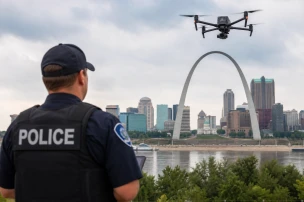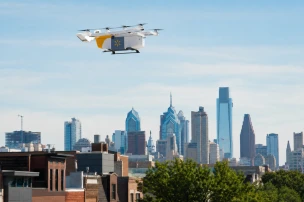

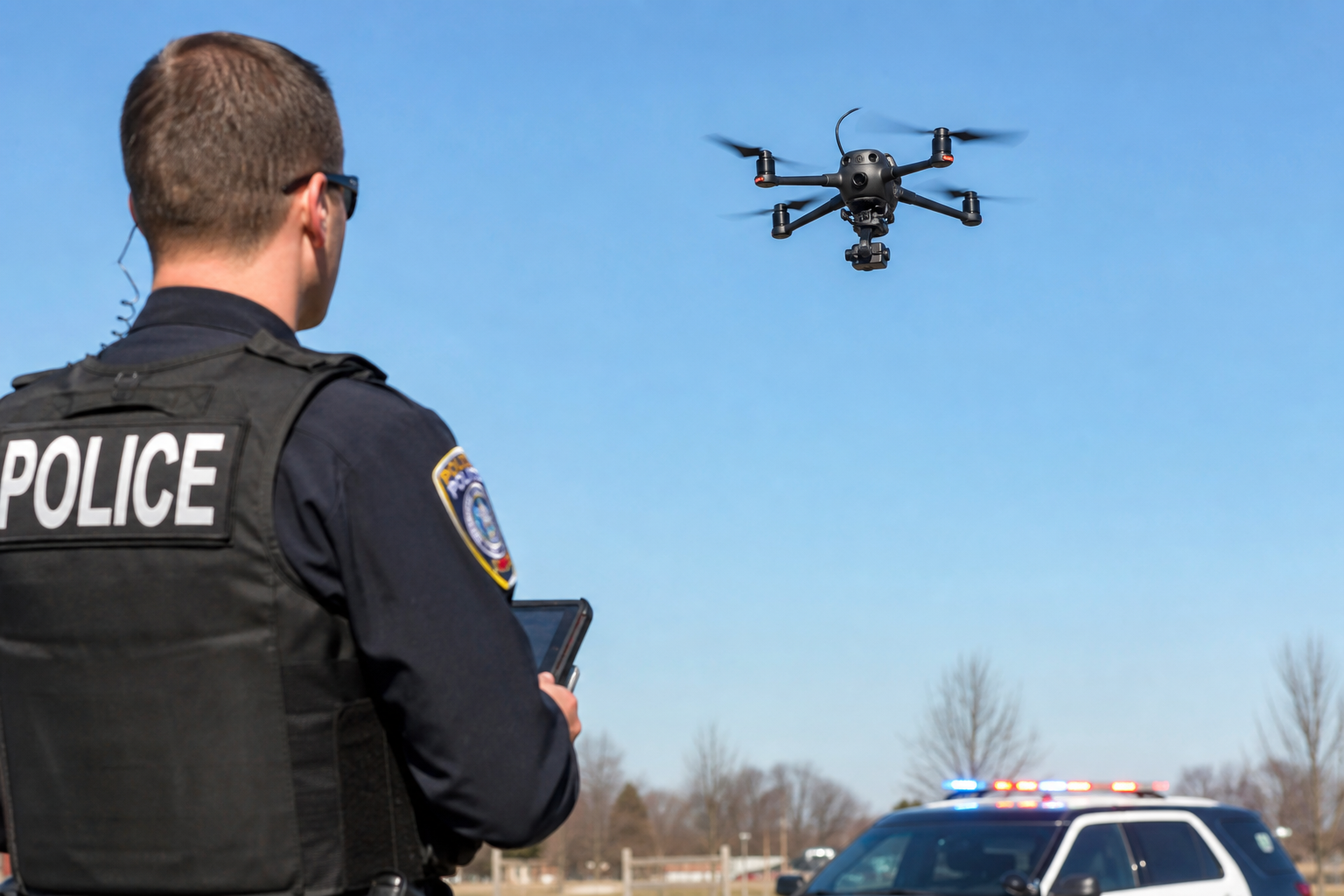
Law enforcement agencies throughout the United States are deploying sophisticated drone networks to support patrol, emergency response, and surveillance missions.
Over 1,500 agencies now maintain active drone programs. This total represents a substantial increase from the 559 municipal departments that operated such systems in 2020, according to tracking data compiled in the Electronic Frontier Foundation Atlas of Surveillance.
The Federal Aviation Administration's 2025 streamlining of Drone as First Responder waivers produced immediate results. Nearly 600 new programs launched in the four months after the regulatory adjustment took effect.
Arlington Police Department aviation unit head Rob Robertson stated that the department will fly several thousand missions in 2025 alone. The unit integrates unmanned systems into routine operations to deliver overhead imagery during calls for service.
Fort Worth police launched a one-year no-cost Drone as First Responder trial on May 8, 2026. The partnership with Flock Safety places two drones on standby for immediate launch and real-time video transmission to dispatch and responding officers.
InvestigateTV documented the nationwide rollout of these systems as primary first-responder tools. Motorola Solutions outlined the same growth trajectory from 559 agencies in 2020 to more than 1,500 today, attributing the acceleration directly to the FAA waiver process. GovTech and the Fort Worth Star-Telegram reported the specific details of the Fort Worth deployment and its operational parameters.
Departments configure drones for rapid takeoff from fixed stations or vehicle-mounted launchers. Live video feeds transmit to command centers within seconds of launch, supplying situational awareness before ground units arrive on scene.
Agencies prioritize compliance with airspace authorizations and data retention policies while expanding fleet sizes. The technical focus remains on reliable beyond-visual-line-of-sight operations and integration with existing computer-aided dispatch platforms.
These programs continue to scale as additional departments complete waiver applications and procure compatible airframes and ground control equipment. Operational emphasis centers on reduced response intervals and enhanced officer safety through persistent aerial coverage.