
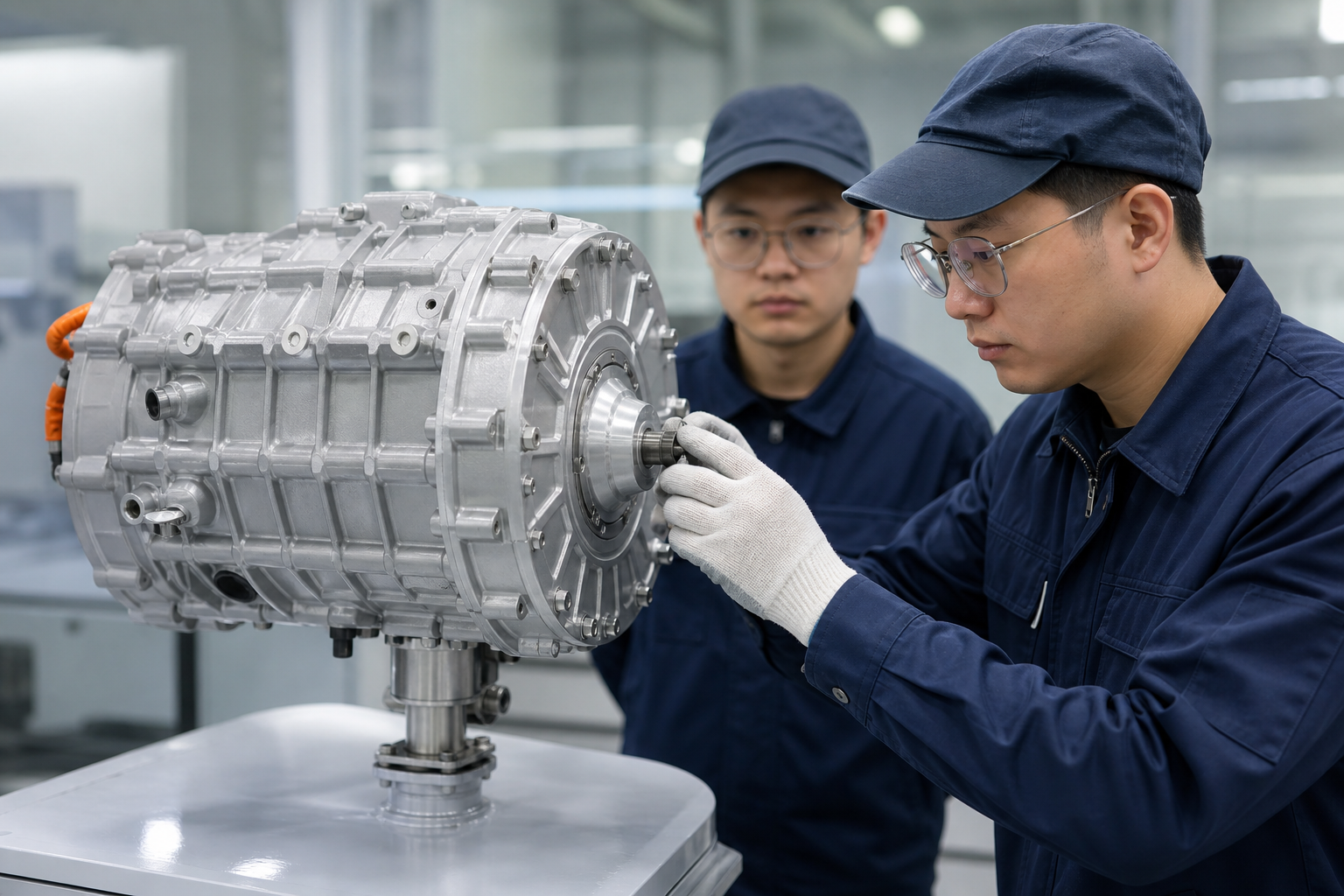
China has delivered its first domestically developed electric engine designed for electric vertical takeoff and landing aircraft.
The AEE25 engine rolled off the production line and was handed over in Wuxi, Jiangsu Province, on or around June 5, 2026. Developed by the Aero Engine Corporation of China, the unit targets the 200 kW power class and records a torque density of 40 Nm/kg. This figure represents the highest value publicly disclosed for any engine in its category inside China.
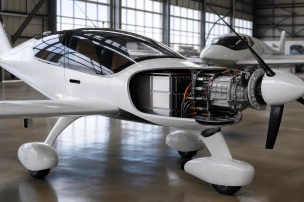
Engineers designed the AEE25 specifically to drive TCab Tech's E20 tilt-rotor eVTOL. The Shanghai-based aircraft program has now moved into the airworthiness certification phase together with the new powerplant. Tilt-rotor architecture allows the E20 to combine vertical lift with efficient forward flight, supporting potential missions in urban air mobility and regional logistics.
Torque density directly affects payload capacity and energy efficiency. A 40 Nm/kg rating enables lighter motor assemblies while maintaining the high torque required for rotor control during takeoff, hover, and transition. These characteristics matter for operators who must balance range, endurance, and regulatory noise limits in dense airspace environments.
China continues to expand its low-altitude economy through coordinated policy support and manufacturing investment. Domestic electric propulsion systems reduce reliance on imported components and accelerate certification timelines for multiple eVTOL platforms. The AEE25 milestone supplies one concrete data point in that broader industrial effort.
Security and law enforcement agencies tracking aerial technology developments can note the propulsion performance metrics now available from Chinese sources. Accurate knowledge of power density, flight envelope, and certification status assists in updating threat assessments and drone mitigation planning for future electric aircraft operating at low altitudes.