
Red Cat Holdings has secured wireless power transfer technology that allows drones and autonomous systems to recharge without landing.
The Nasdaq-listed company closed its acquisition of Québec-based Quaze Technologies Inc. on May 20, 2026. The transaction delivered approximately $21-25 million in Red Cat common stock at closing, with up to $5 million in additional earnout shares linked to integration, revenue and gross-margin targets.
Quaze will continue operating as an independent business unit from its Québec facility while its platform-agnostic wireless power architecture is integrated into Red Cat’s Family of Systems. The technology will also be offered to third-party original equipment manufacturers operating in air, land and maritime environments.
Red Cat shares rose 3 percent on the day the deal closed. Company executives described the acquisition as a direct response to operational requirements for persistent surveillance and reconnaissance missions that currently require frequent returns to charging stations.
“This acquisition gives our platforms true endurance for the missions that matter most to our customers,” said Brian Johns, Chief Executive Officer of Red Cat Holdings. “Wireless power transfer removes the logistical bottleneck of battery swaps or landings during extended operations.”
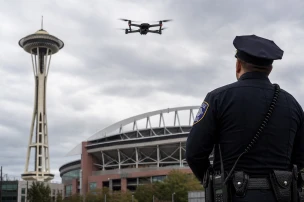
Defense Advancement reported that the technology is expected to support law-enforcement applications including border patrol, critical-infrastructure monitoring and correctional-facility perimeter security. Persistent airborne sensors reduce the need for multiple aircraft rotations and lower overall mission costs.
Marie Leclerc, founder and chief technology officer of Quaze Technologies, emphasized the system’s flexibility. “Our architecture works across different voltage levels and form factors, so it can be adapted to existing airframes as well as new designs without major redesigns,” Leclerc said.
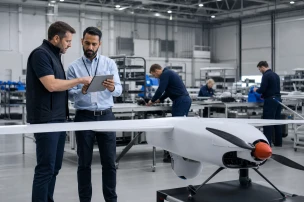
The Globe and Mail noted that the combined entity will maintain Quaze’s Québec engineering team while Red Cat’s Salt Lake City operations handle systems integration and customer support for U.S. government and law-enforcement clients. The earnout structure ties additional compensation to successful technology insertion and measurable revenue growth over the next two years.
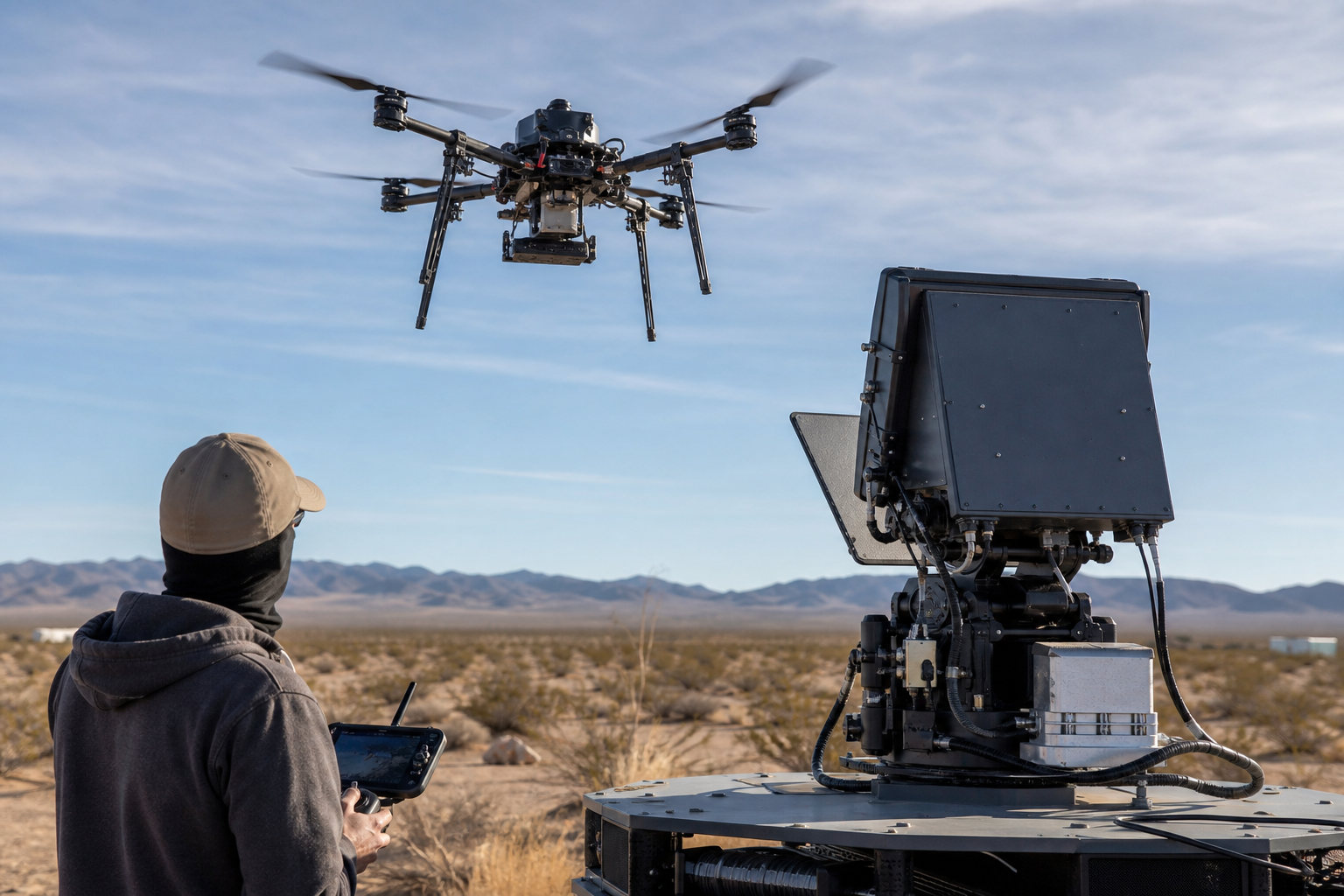
Red Cat’s existing drone platforms, including the Teal Drones and FlightWave lines, are expected to receive the first wireless-power retrofits. Maritime and ground-robotics variants will follow as the company expands its offerings to sheriff offices and highway-patrol units that require long-duration autonomous assets.
Industry analysts tracking defense autonomy programs view the move as part of a broader shift toward logistics-independent unmanned systems. Wireless charging eliminates exposed connectors that can fail in harsh environments and reduces the physical handling required to maintain drone fleets.
Red Cat stated that the Quaze unit will continue serving non-Red Cat customers while prioritizing integration milestones with the parent company’s Family of Systems roadmap. No immediate changes to Quaze’s Québec workforce or facilities were announced.