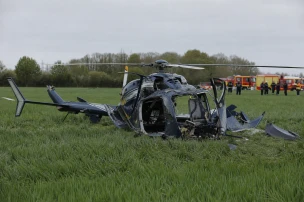


Proposed drone-free zones near hospitals have exposed safety gaps for air medical operations under a new FAA rule.
The Federal Aviation Administration published the notice of proposed rulemaking on May 6, 2026. The document, listed as 2026-08943 in the Federal Register, creates a petition process for unmanned aircraft flight restrictions around fixed-site critical infrastructure including certain healthcare facilities.
Analysis released by the Association of Air Medical Services shows the measure targets only Level I trauma centers and pediatric facilities. Air medical bases, non-Level I hospitals, common landing zones, and scene response locations receive no coverage under the current text.
These omissions create direct operational concerns. Air medical helicopters routinely descend to low altitudes at bases, hospital pads, and temporary accident scene sites where drone encounters could force abrupt maneuvers or mission aborts.
The public comment period closes July 6, 2026. Association of Air Medical Services requested member submissions by June 15, 2026, to compile detailed examples of routes and landing areas left unprotected.
FAA Newsroom materials from May 6, 2026, describe the rule as enhancing security at sensitive locations. The narrow definition of covered sites, however, leaves many emergency aviation assets outside any new buffer zones.
Helicopter emergency medical services depend on predictable access to both permanent and improvised landing areas. Unrestricted drone activity near excluded sites increases mid-air collision probability during time-critical patient transfers.
Law enforcement and security teams responsible for infrastructure protection should examine the petition criteria closely. Additional local drone detection measures may be required at air medical facilities not addressed in the proposal.
The Association of Air Medical Services Member Alert dated June 2, 2026, outlines these specific exclusions. Operators and agencies involved in emergency response are reviewing the Federal Register entry to prepare coordinated comments before the deadline.
Industry stakeholders emphasize the need for broader protections to ensure safe operations across all emergency aviation assets.