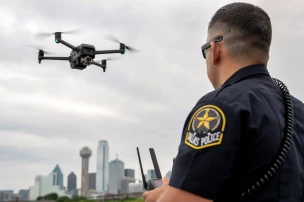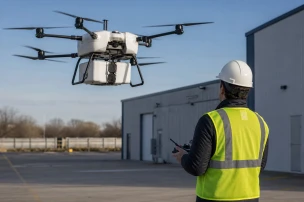

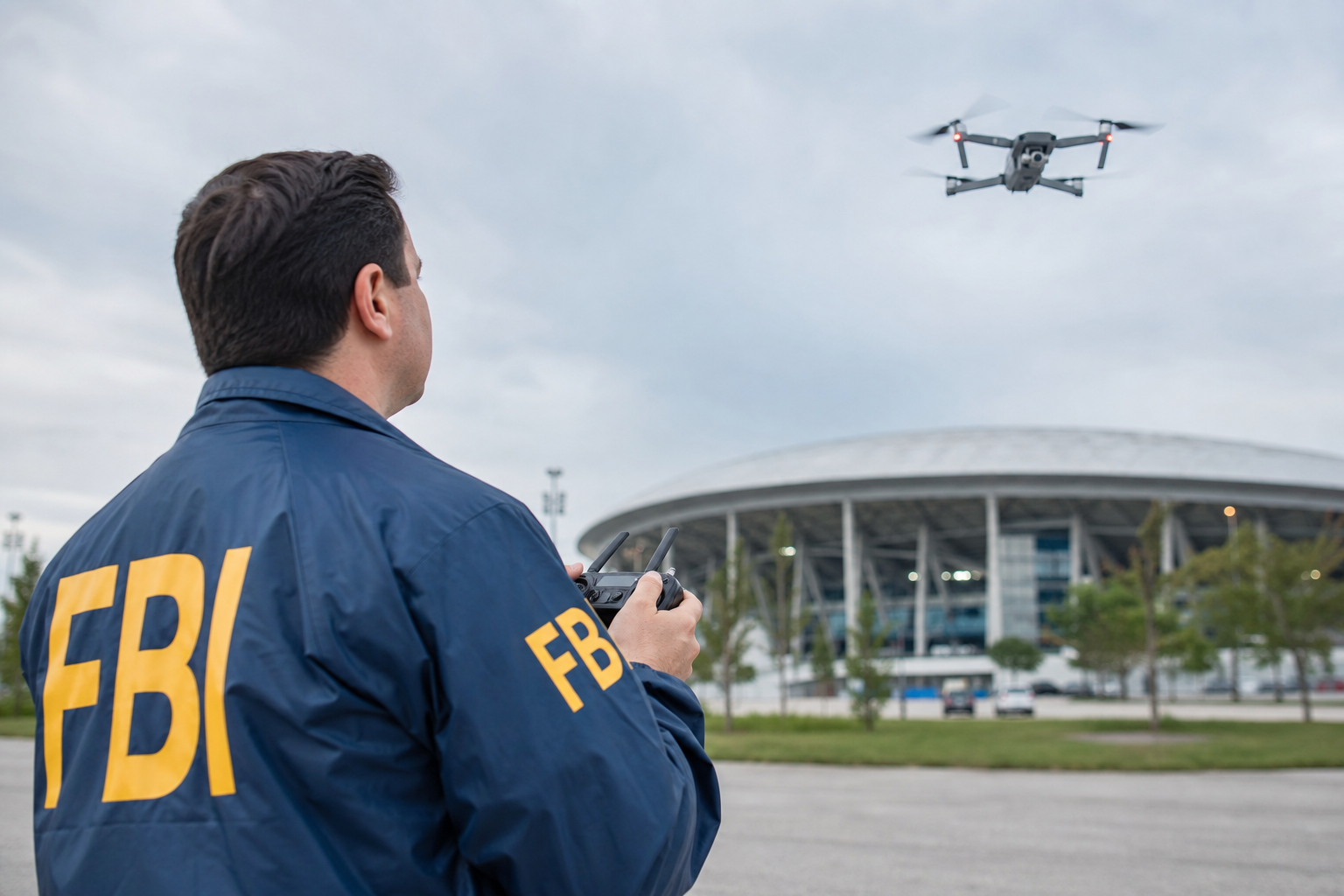
Federal agencies have issued fresh reminders that unauthorized drone flights near stadiums, festivals, military installations, and airports will trigger immediate enforcement actions. These measures aim to protect large public gatherings and critical infrastructure during major international events by enforcing strict airspace controls across multiple jurisdictions.
On June 11, 2026, the FBI Boston field office published a public warning directed at drone operators in Massachusetts and Rhode Island ahead of the FIFA World Cup 2026 matches. The notice highlights coordination between federal and state authorities to monitor compliance in real time.
The alert specifies Temporary Flight Restrictions that prohibit all unauthorized UAS activity within a 3-nautical-mile radius of designated stadiums up to 3,000 feet above ground level. Separate 1-nautical-mile radii around fan festivals are restricted to 1,000 feet AGL for the duration of the June and July events. Additional layers of protection extend to nearby transportation hubs and sensitive facilities to prevent interference with aviation operations.
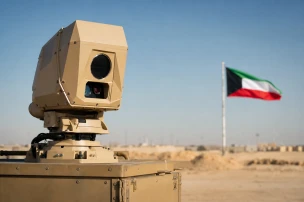
These temporary zones form part of a wider federal framework that also covers permanent restrictions around military bases and airports, where violations are prosecuted under the same statutes. Enforcement relies on integrated surveillance systems that allow rapid identification of noncompliant aircraft.
Penalties remain uniform across all TFR categories. Operators risk civil fines reaching $100,000, felony criminal charges carrying up to one year of imprisonment, and immediate confiscation of the aircraft and controller.
Planning to fly your drone in Massachusetts or Rhode Island during the FIFA World Cup 2026? Be aware that the government will establish temporary flight restrictions around FIFA World Cup 2026 stadiums, fan festivals, and other event locations.
— Special Agent in Charge, FBI Boston Field Office
The FAA safety plan for the tournament, published on FAA.gov, confirms the exact dimensions and altitudes of each no-drone zone and requires any approved public-safety or media flights to obtain prior authorization through the FAA’s DroneZone system. Operators must verify current restrictions daily because conditions can change with little notice.
Similar enforcement messaging has been distributed by state police agencies and local field offices in other host cities, underscoring that the same federal penalties apply regardless of whether the restriction is temporary or permanent. Local agencies continue to emphasize education campaigns alongside enforcement to reduce accidental violations.
Law-enforcement units responsible for stadium perimeters and airport approach corridors are advised to maintain real-time coordination with FAA regional operations centers to distinguish authorized flights from violations. This collaborative approach supports both security objectives and safe recreational use of airspace outside restricted areas.