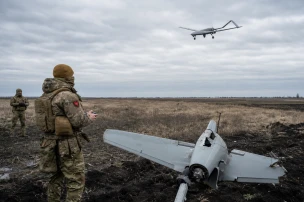

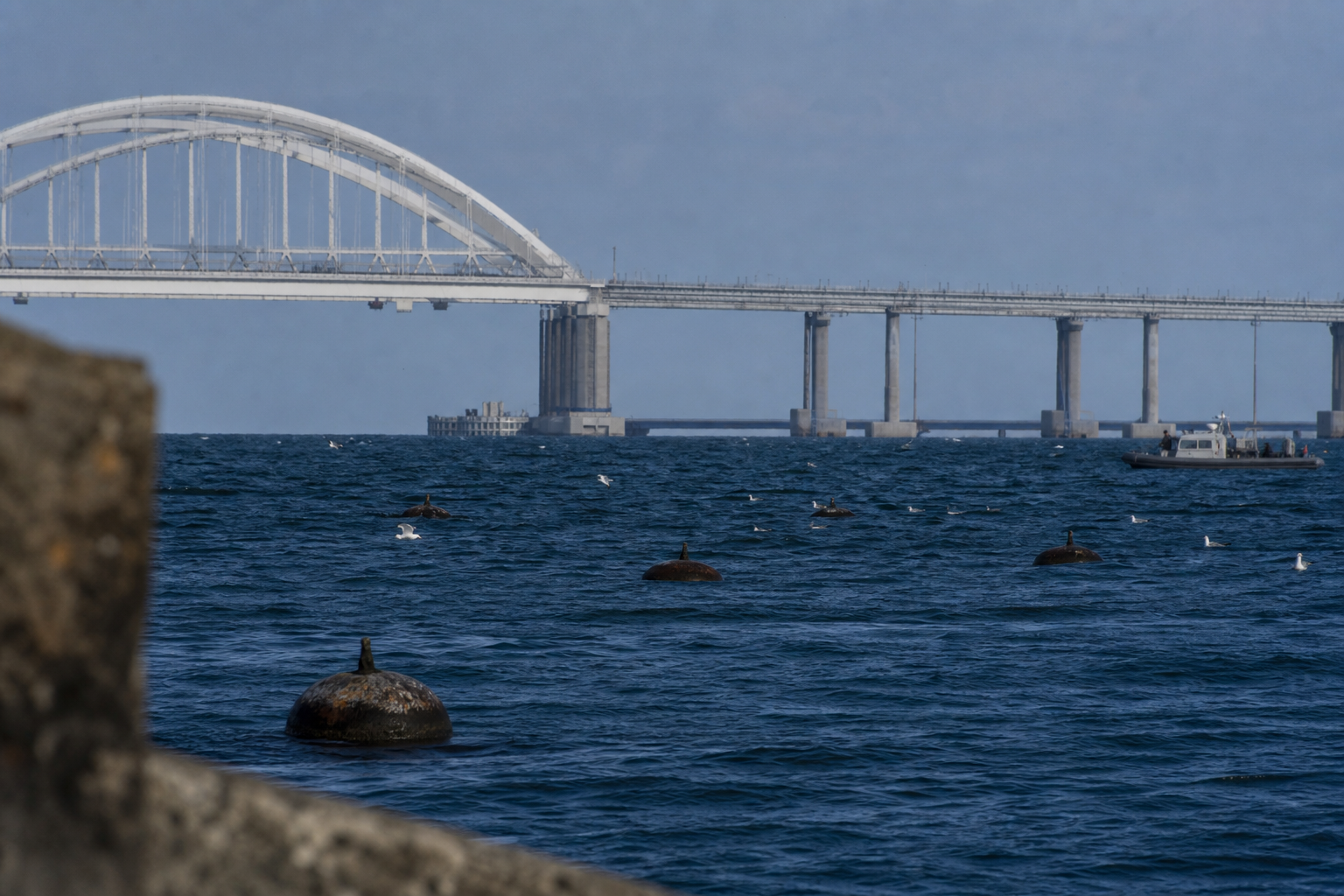
Ukrainian drones have started dropping mines along key highways in the Russian land corridor to Crimea.
On May 29 2026 Russian-installed Kherson governor Volodymyr Saldo reported that a drone dropped mines on the R-280 Novorossiya highway near the Kherson-Zaporizhzhia border.
Saldo stated that the device placed ordnance on both the roadway and the shoulder section of the route.
Russian military bloggers reported parallel mining activity on the M-14 Mariupol-Melitopol highway at points 100 to 150 kilometers from the frontline.
These strikes produced partial highway closures and forced traffic rerouting for convoys moving toward Crimea.
Head of occupied Crimea Sergei Aksyonov announced immediate fuel rationing in response to the supply interruptions.
Beginning May 30 sales of AI-95 gasoline will be limited to 20 liters per person per day across occupied Crimea.
The Institute for the Study of War recorded the remote mining events in its May 30 Russian Offensive Campaign Assessment.
Forbes published details of the incidents on the M-14 and R-280 routes drawn from Russian sources the following day.
Meduza reported on the resulting fuel shortages in Crimea caused by the interdiction of overland supply routes.
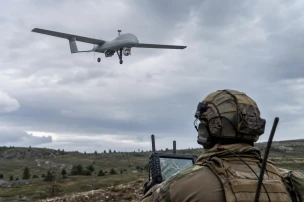
The operations demonstrate the ability of Ukrainian unmanned systems to deliver anti-vehicle mines at extended ranges behind Russian lines.
Highway engineering units now confront mine threats delivered from altitudes that bypass traditional ground-based sensors.
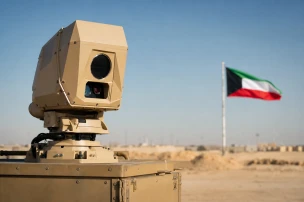
Convoy security protocols must incorporate persistent aerial monitoring to detect drone activity over critical road segments.
The land corridor through Kherson and Zaporizhzhia oblasts remains the principal ground artery sustaining Russian forces and civilian infrastructure in Crimea.
Disruption of this corridor compels Russian logisticians to seek alternative resupply methods that carry higher costs and lower capacity.
Security professionals tracking similar theaters can observe how low-cost unmanned platforms alter the calculus of route clearance and force protection.
These actions also expose gaps in Russian air defense coverage over rear supply lines.
Additional drone flights could target other segments of the corridor in coming days according to open source tracking.
Russian forces have responded by increasing patrols and installing temporary barriers along vulnerable stretches.