
SAE International released a technical paper examining the future of battery-based electric propulsion for aircraft on June 1, 2026.
The document carries the title A Study on the Future of Battery Based Electric Aircraft Propulsion. Five engineers from Infosys Ltd. Engineering Services produced the work: K P Arun, Varsha Srinivas, Jayanth Joshi, Chandini Suresh, and Proloy Jyoti Naskar. The team will present the findings at AeroCON 2026 in Bangalore, India, on June 4, 2026.
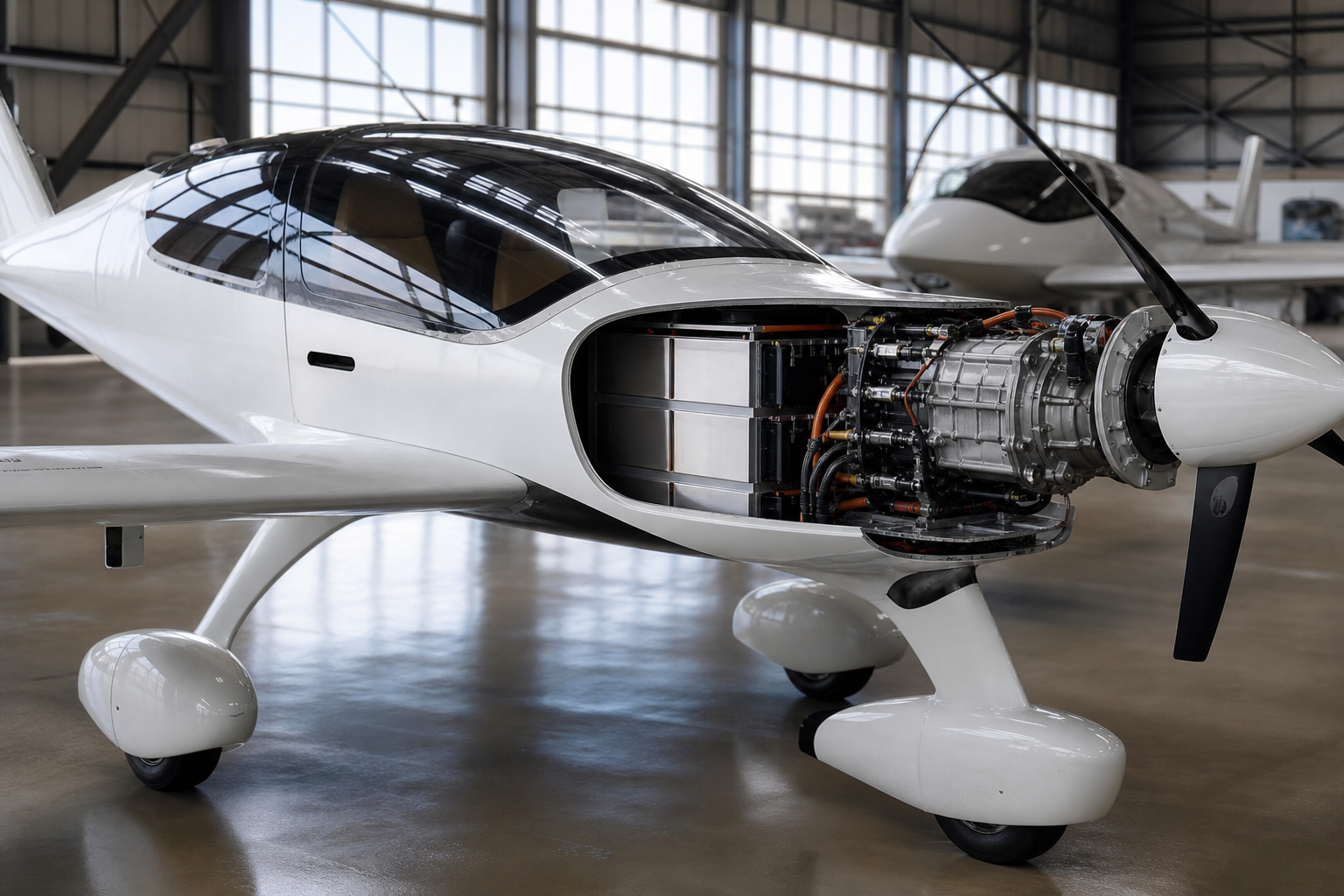
Battery energy density constitutes the central technical constraint identified in the study. Present battery systems deliver 30 to 50 times less energy per unit of mass than gas turbine engines. This performance gap restricts achievable range and payload for electric aircraft. The authors state directly that battery technology functions as a limiting factor because it cannot compete with the energy density of gas turbines.
It is a fact that the current battery technology is a limiting factor as it is not competitive compared to a gas turbine that is 30-50 times more energy dense.
According to lead author K P Arun of Infosys Ltd., the assessment highlights these constraints clearly.
Hybrid-electric propulsion currently holds the highest Technology Readiness Level among the configurations reviewed. All-electric systems occupy the next position in maturity. Distributed propulsion architectures remain at the lowest readiness level due to unresolved integration and control challenges.
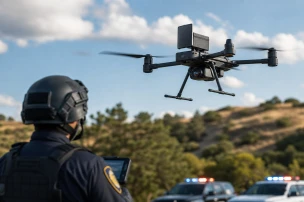
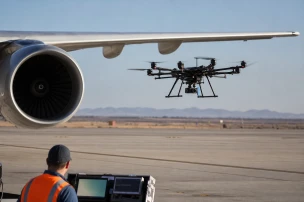
Law enforcement and security agencies track propulsion developments because electric and hybrid architectures offer lower acoustic signatures than conventional engines. Reduced noise supports covert surveillance by unmanned aircraft over urban areas or along borders. Sheriff offices and highway patrol units may gain operational advantages from hybrid designs that extend endurance while maintaining acceptable weight and recharge times.
The paper supplies a structured assessment of remaining technical barriers, including battery weight penalties and the absence of widespread fast-charging infrastructure at smaller airfields. SAE Mobilus hosts the complete paper and associated materials for professionals evaluating future aerial platforms.
Electric motor simplicity could reduce maintenance demands for unmanned systems operated by police and prison security teams. Fewer moving parts compared with piston or turbine engines translate to improved reliability during prolonged missions. The study identifies specific research priorities in battery chemistry and power management that would be required to advance overall system readiness.