
Washington authorized a $1.98 billion counter-unmanned aerial systems package for Kuwait after Iranian drones struck infrastructure near the country’s main airport.
The US State Department notified Congress of the potential Foreign Military Sale on June 5, 2026. The package centers on Anduril platforms designed to detect, track, and defeat small unmanned aerial systems through both kinetic and electronic means.
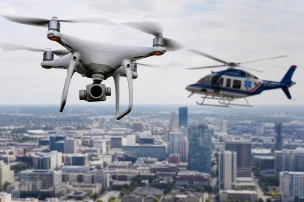
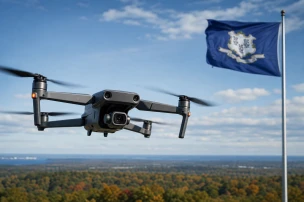
Regional tensions escalated in early June 2026 when Iranian drones targeted Kuwaiti facilities, prompting the rapid clearance of the deal. Kuwait sits on the northern Gulf and maintains close security ties with the United States as a major non-NATO ally.
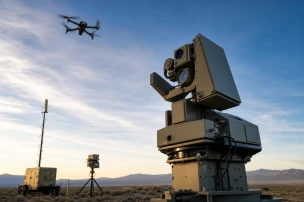
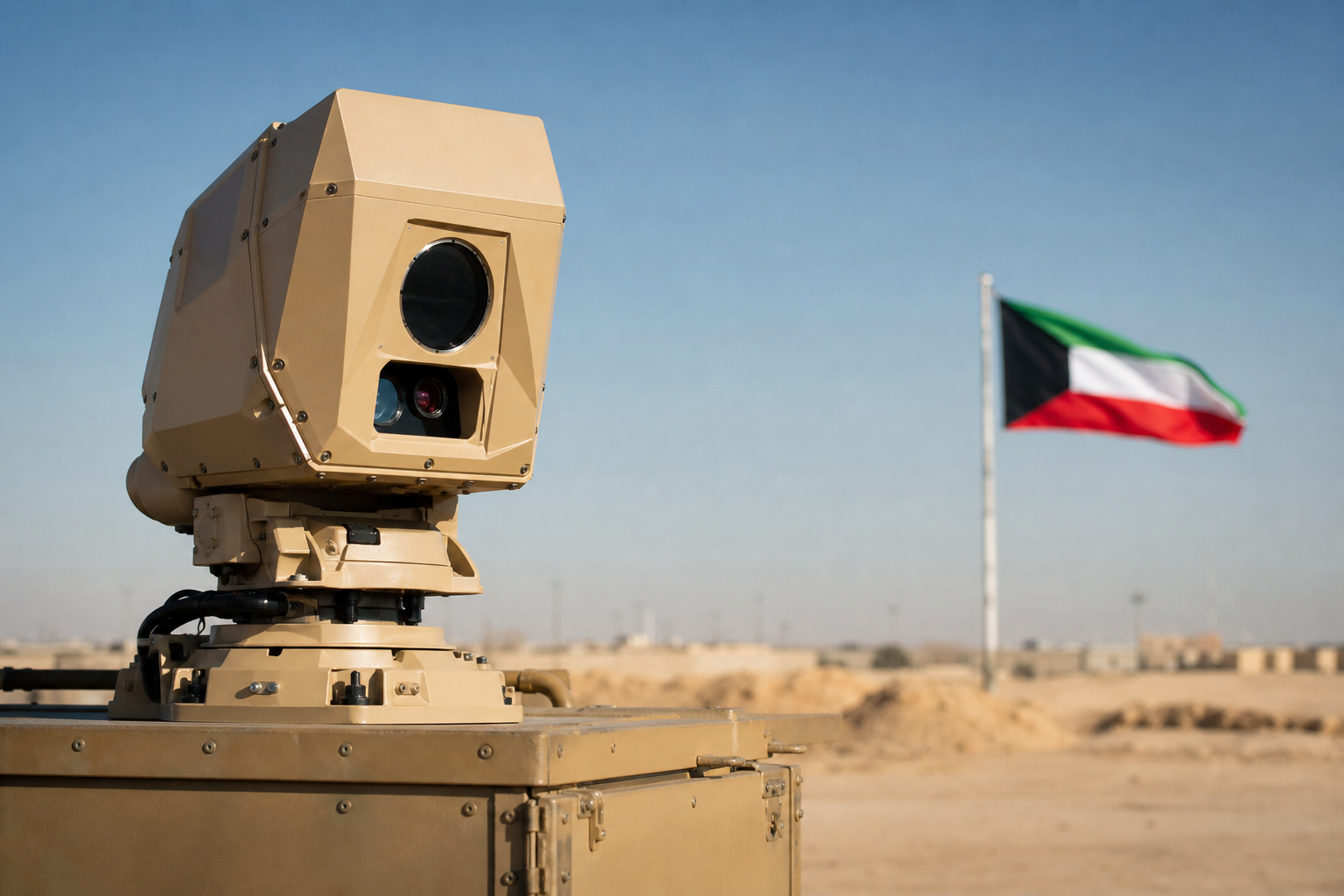
The sale includes Roadrunner attritable aircraft for reusable high-speed interception, Anvil kinetic effectors for direct ramming engagements, associated launch systems, integrated command-and-control software, fixed surveillance towers, electromagnetic warfare kits, and mobile operations centers. These elements combine to create layered defeat options against low-altitude drone threats.
The proposed sale will improve Kuwait’s capability to meet current and future threats by providing electronic and kinetic defeat capabilities against unmanned aerial systems.
The same notification stated the transfer will strengthen the security of a key regional partner that has contributed to political stability and economic progress in the Middle East.
Defense News, Breaking Defense, and The Defense Post reported the approval on June 8, 2026, directly linking the timing to the recent strikes. The systems emphasize persistent surveillance paired with rapid autonomous response, features increasingly relevant to infrastructure protection missions worldwide.
Command-and-control software fuses data from towers and mobile sensors into a common operating picture, allowing operators to select the most appropriate effector for each track. Electromagnetic warfare components add non-kinetic disruption options before kinetic intercept becomes necessary.
The mobile operations centers enable rapid repositioning to protect high-value sites or respond to emerging corridors of drone activity. Roadrunner aircraft can be recovered and reused after missions, lowering long-term sustainment costs compared with single-use interceptors.