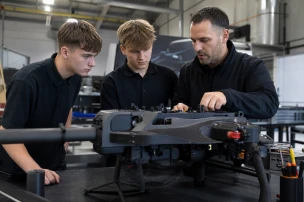

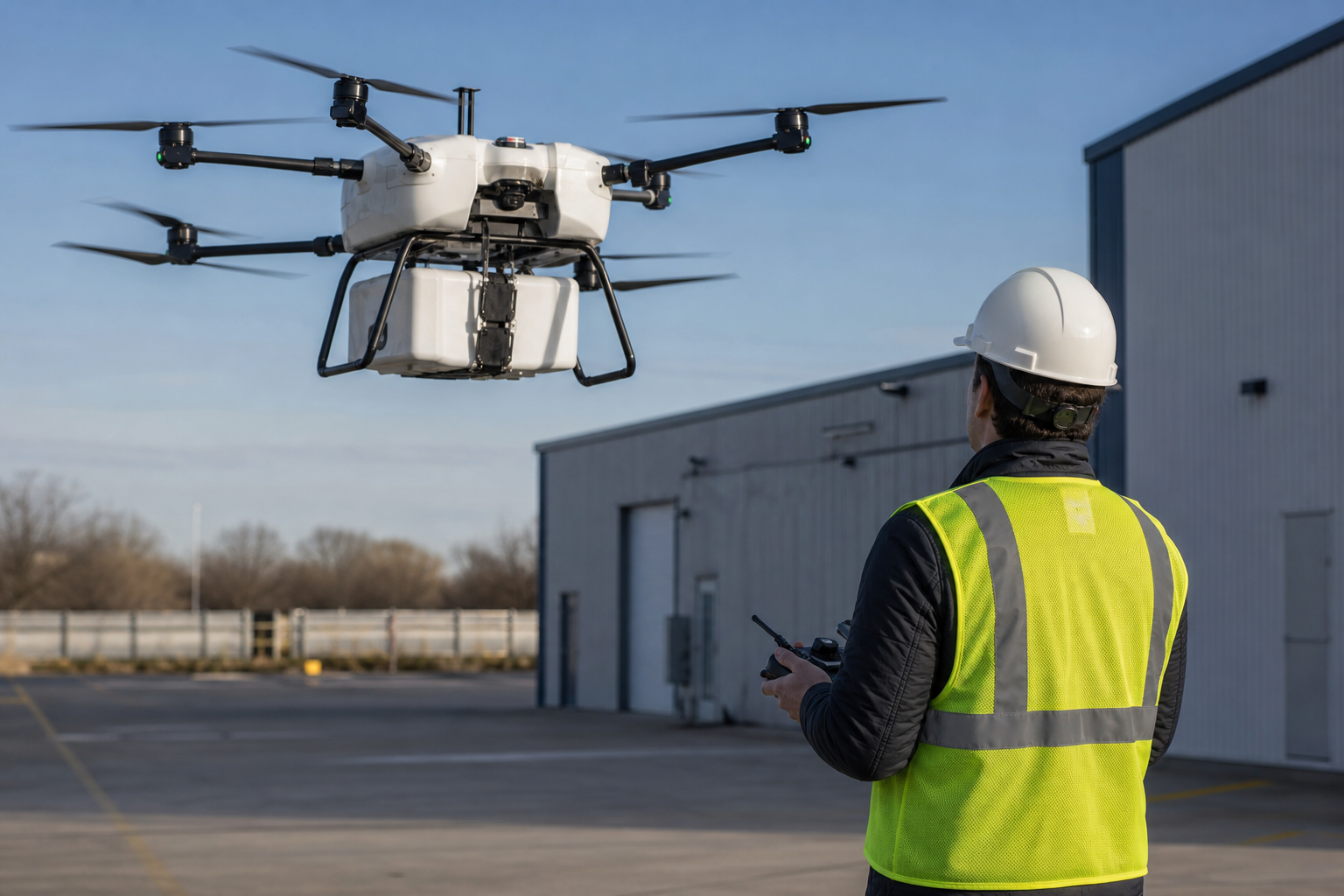
Flytrex has opened an 8,000-square-foot drone assembly, testing, and maintenance facility in Pilot Point, Texas, to support large-scale food delivery operations across the Dallas-Fort Worth metroplex.
The announcement came on May 21, 2026. The site currently employs 20 staff members, with plans to expand to 50 workers. Production capacity stands at roughly 1,000 drones annually or the ability to sustain operations for approximately 1,500 drones dedicated to DFW service.
Flytrex intends to establish 60 drone delivery sites throughout the region by mid-2027. These locations will serve approximately five million residents through partnerships with DoorDash, Uber Eats, and Little Caesars.
The facility functions as the central hub for aircraft preparation and ongoing support. It enables consistent output and rapid deployment of units required for the planned network growth.
Current operations focus on precision assembly and rigorous testing protocols before aircraft enter active service. Maintenance workflows at the site will handle routine inspections and component replacements to maintain fleet availability.
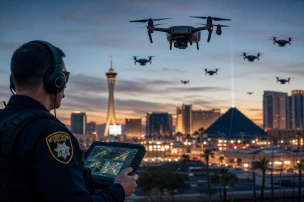
Security and law enforcement agencies monitoring low-altitude airspace in North Texas will observe increased drone density as the network scales. The volume of daily flights supported by 1,500 aircraft across 60 sites creates measurable demand for detection, tracking, and deconfliction tools already deployed by regional agencies.
Local Profile coverage from June 12, 2026, and reporting by The Real Deal and Dallas Business Journal in May 2026 documented the facility size, employment targets, and geographic reach. These reports confirm the timeline and operational parameters released by the company.
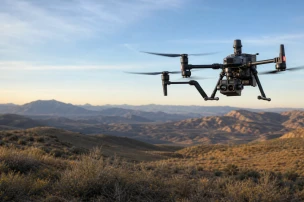
Expansion to 60 sites requires standardized aircraft configurations produced at Pilot Point. This approach reduces variability in performance characteristics and simplifies integration with partner logistics platforms.
Highway patrol and sheriff’s office aviation units in surrounding counties can expect higher numbers of commercial drone transits along established corridors. Coordination with existing manned aircraft traffic will rely on the same data feeds and geofencing systems already used for public safety operations.