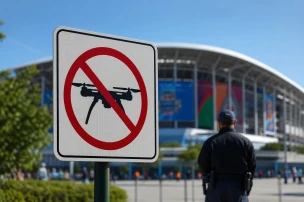

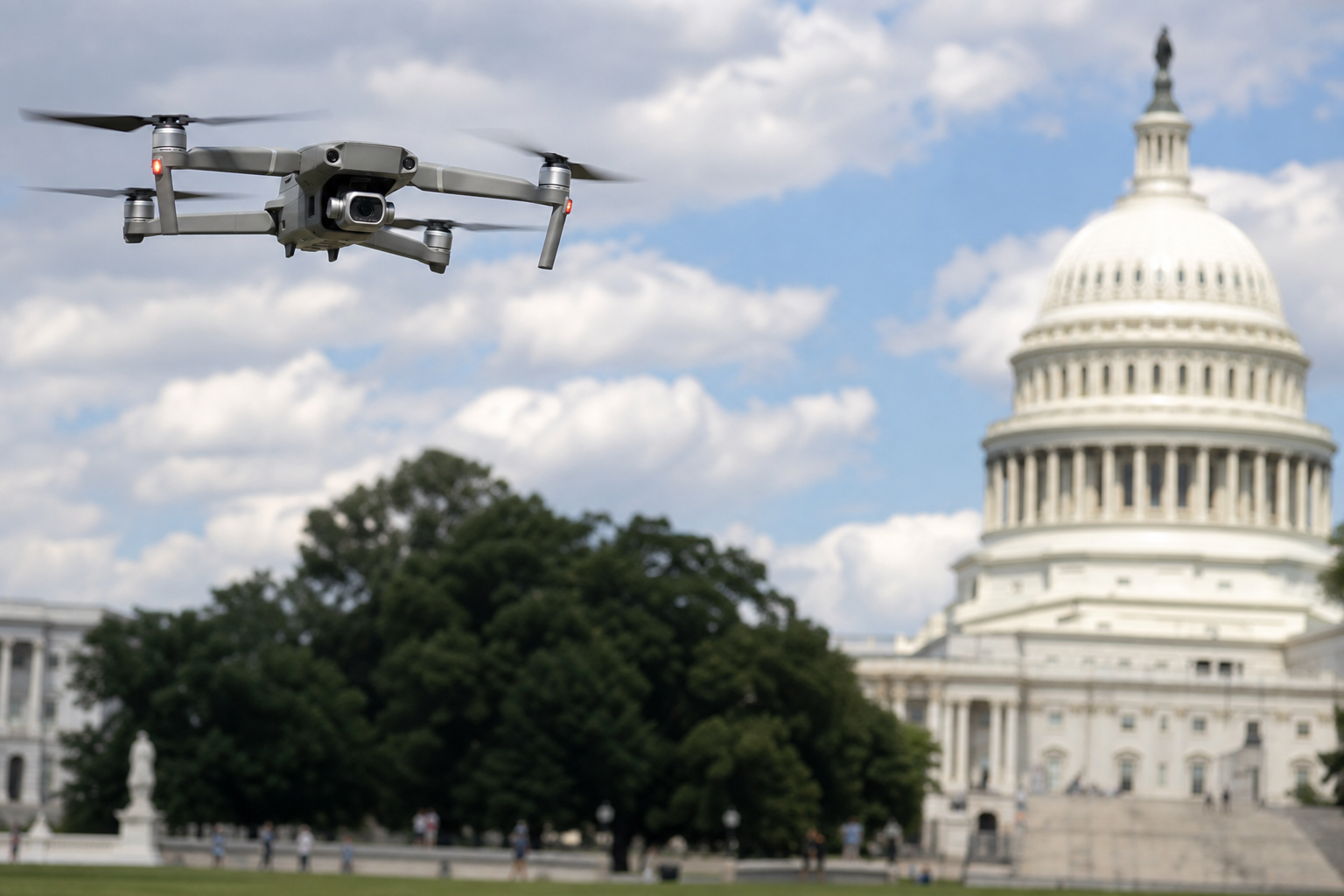
Federal officials have established extensive no-drone zones around 11 stadiums hosting the 2026 FIFA World Cup matches.
The FAA announced on May 28, 2026, that temporary flight restrictions will cover a 3-nautical-mile radius up to 3,000 feet above ground level at each venue on match days. Fan festivals will face 1-nautical-mile restrictions. FAA Administrator Bryan Bedford stated that drone operators should expect swift action if they violate restricted airspace.
FBI Dallas Special Agent in Charge R. Joseph Rothrock emphasized enforcement measures. "Before you fly a drone, I strongly encourage you to check for active flight restrictions... To ensure the safety of the World Cup events, we will use our full suite of capabilities to identify drone operators violating TFRs, seize their drones, and support their prosecution," he said.
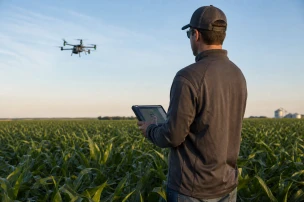
In North Dakota, the Vantis BVLOS network has reduced FAA waiver approval times from years or months down to 23 business days, according to reports from June 2026. This development supports more efficient beyond visual line of sight operations for approved users.
The FCC took action on May 27, 2026, by adding Blueflite, Verity, and Air VEV to its list of conditionally approved foreign-made drone systems under the Covered List rules. These moves occur alongside broader discussions on critical infrastructure protections and supply chain policies that continue to progress with less public attention.
While major focus remains on Chinese drone restrictions and the pending BVLOS rulemaking, these quieter initiatives demonstrate ongoing federal efforts to balance innovation with security requirements for law enforcement and commercial operators alike.