
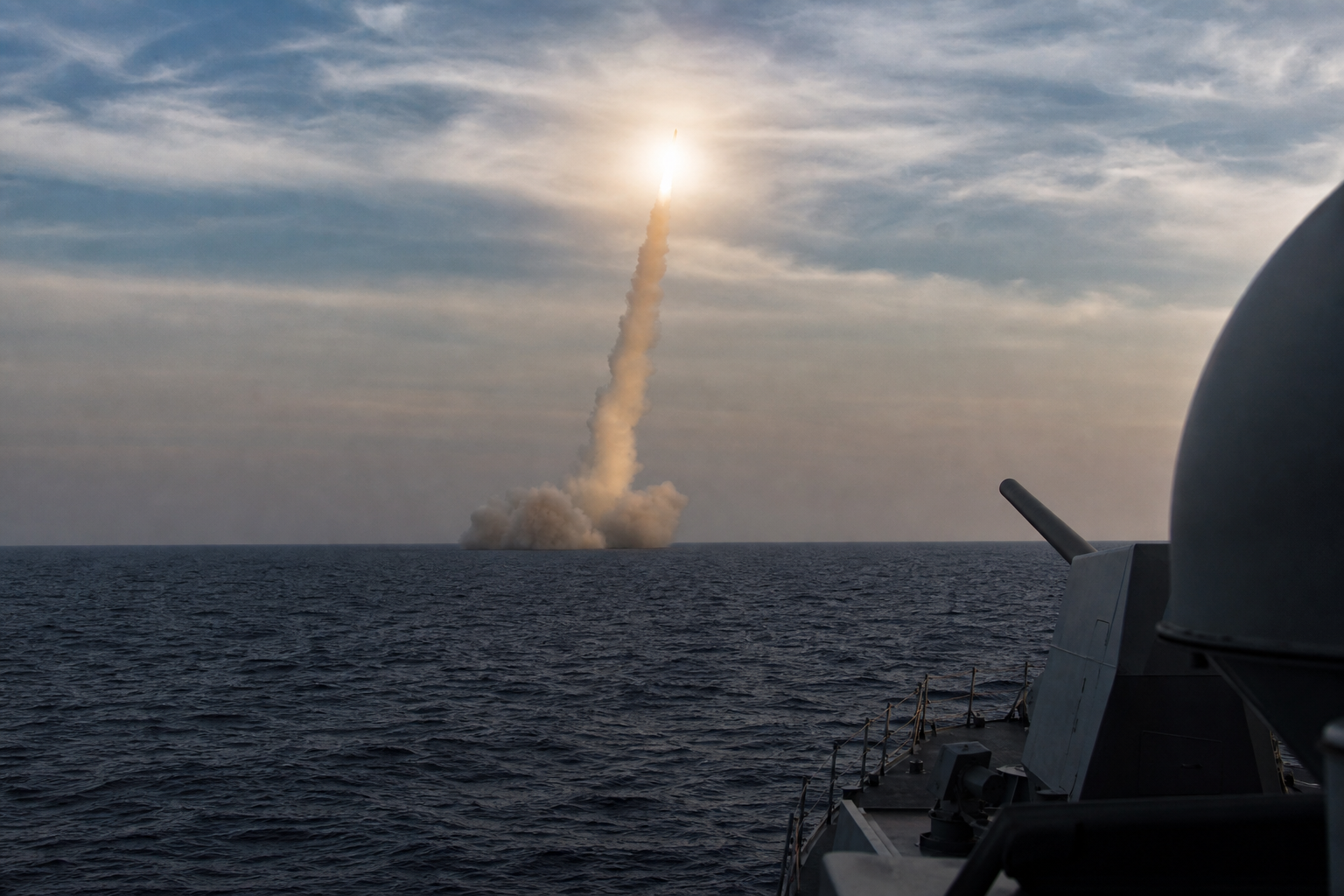
U.S. Central Command forces destroyed four Iranian one-way attack drones heading toward the Strait of Hormuz on June 5, 2026.
The drones represented a direct threat to commercial shipping lanes that carry nearly one-fifth of global oil supplies through the narrow waterway between Iran and Oman. CENTCOM confirmed the intercepts occurred in international airspace and waters, preventing any impact on vessels transiting the area.
Moments ago, CENTCOM forces shot down four Iranian one-way attack drones that were launched toward the Strait of Hormuz. The attack drones posed an immediate threat to regional maritime traffic.
Hours after the drone engagements, Iranian forces launched seven ballistic missiles toward targets in Kuwait and Bahrain. U.S. defensive systems intercepted six of the missiles. The seventh fell short of its intended impact area and caused no reported damage or casualties.
CENTCOM subsequently conducted strikes against Iranian coastal surveillance radar installations at Goruk and on Qeshm Island. These sites had been used to track and cue maritime traffic in the Strait, enabling potential follow-on attacks. The radar strikes were executed to neutralize the immediate sensor threat and degrade Iran’s ability to coordinate further drone or missile launches against shipping.
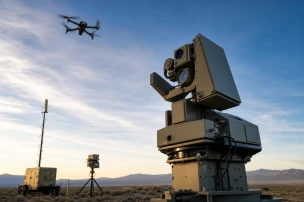
American forces remain postured and ready to continue defending against Iranian aggression, according to the CENTCOM statement. The sequence of events underscores the growing reliance on unmanned aerial systems for long-range strikes and the corresponding requirement for layered detection and kinetic defeat mechanisms in contested maritime environments.
Reporting from CNN and The New York Times corroborated the timeline and asset counts released by U.S. Central Command. No U.S. or partner casualties occurred during the engagements. The incidents took place against a backdrop of sustained Iranian efforts to project power through proxy forces and direct missile and drone salvos in the Persian Gulf region.